Signs It’s Time to Reseal Your Pavers
Noticing signs it’s time to reseal your pavers can help protect and extend their lifespan, and local contractors are available to provide expert resealing services.
Homeowners and property managers in the area who notice their pavers losing their original appearance or showing signs of wear may find it beneficial to explore the signs it’s time to reseal your pavers. Over time, exposure to foot traffic, weather, and other elements can cause the sealant to break down, leading to issues like staining, uneven coloring, or surface deterioration. Recognizing these early indicators can help preserve the integrity and aesthetic appeal of outdoor spaces, making it worthwhile to consider professional paver resealing services offered by local contractors.
Keeping an eye out for signs such as fading color, the presence of cracks, or the appearance of moss and algae can signal that resealing might be needed soon. Resealing helps protect pavers from further damage and keeps outdoor areas looking their best. Local service providers who specialize in paver resealing can assess the condition of existing sealant and recommend the appropriate steps to restore and maintain the surface’s durability and appearance. Continuing to read can provide valuable insights into maintaining beautiful, long-lasting paved surfaces.
- Paver resealing - homeowners notice fading or discoloration on their pavers, indicating it’s time for a fresh sealant application handled by experienced local contractors.
- Signs it’s time to reseal your pavers - visible cracks or chips suggest the protective layer has worn down, prompting local service providers to assess and reseal as needed.
- Paver resealing - surfaces that frequently experience staining or efflorescence may require resealing to restore their appearance, with local pros providing expert treatment.
- Signs it’s time to reseal your pavers - increased slipperiness or surface erosion can be addressed by local contractors who specialize in restoring paver durability through resealing.
- Paver resealing - after harsh weather or heavy foot traffic, local service providers can evaluate paver condition and apply resealing to prolong their lifespan.
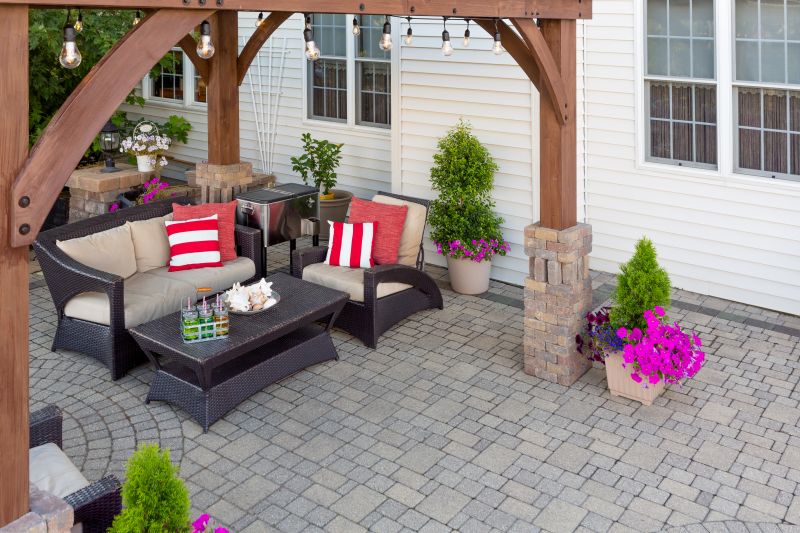
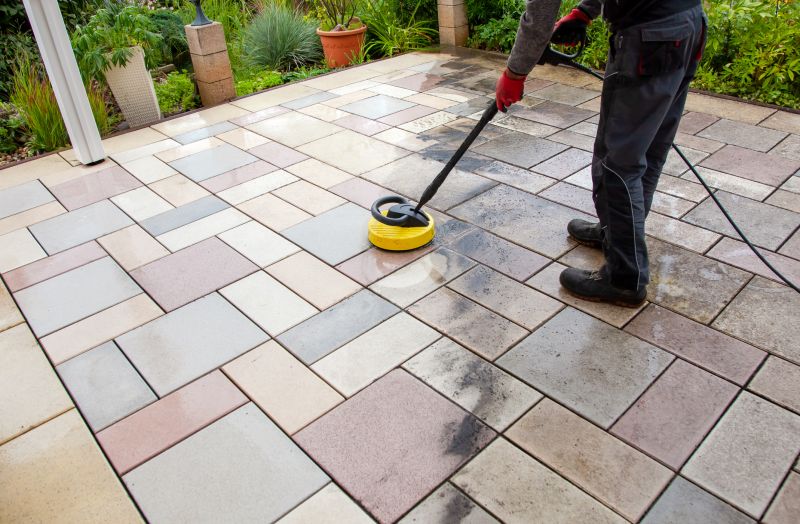
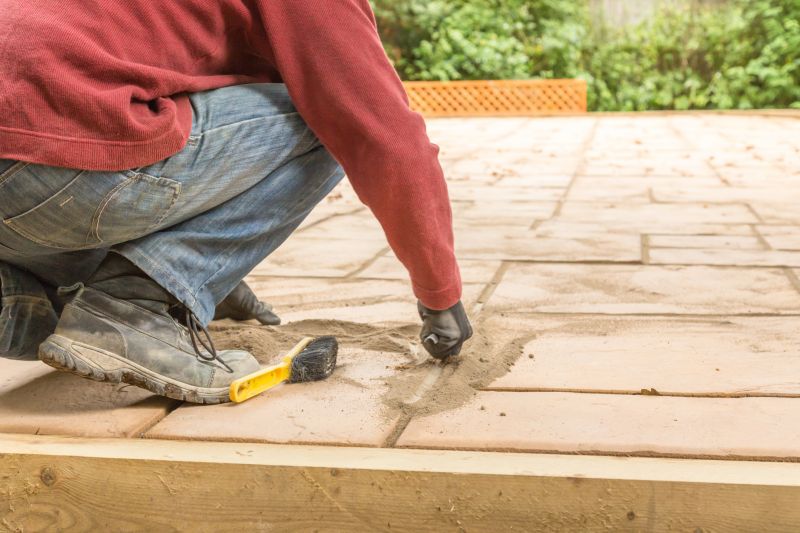
When homeowners search for signs it’s time to reseal your pavers, they are usually looking for clear indicators that their paved surfaces need maintenance to preserve appearance and durability. Paver sealing is often associated with protecting outdoor features such as patios, walkways, driveways, and pool decks. Over time, these surfaces can show visible signs of wear, which may include color fading, surface staining, or a loss of the original shine. Recognizing these signs helps homeowners determine when resealing is necessary to prevent further damage and maintain the aesthetic appeal of their property.
This topic relates closely to property maintenance plans that aim to extend the lifespan of paved surfaces and keep outdoor spaces looking their best. Problems like moss or weed growth between pavers, uneven surfaces, or the presence of cracks can signal that the existing sealant has deteriorated. Homeowners might also notice that water no longer beads on the surface or that dirt and stains become more difficult to clean. Planning for resealing can be part of routine upkeep, especially for properties with high foot traffic or exposure to the elements, where the protective layer of sealant can wear down more quickly.
The types of properties that typically come up when discussing signs it’s time to reseal pavers include residential homes with landscaped yards, community apartment complexes, commercial storefronts, and recreational facilities. In residential settings, many homeowners want to keep their outdoor living spaces attractive and functional, which often involves regular maintenance of paver surfaces. Commercial properties and public spaces also benefit from timely resealing to maintain a professional appearance and prevent costly repairs caused by neglect. Regardless of property size or purpose, recognizing the right time to reseal can help preserve the integrity of the paved surfaces and reduce long-term repair needs.
Local service providers who specialize in paver resealing are well-equipped to assess the condition of existing surfaces and recommend the appropriate maintenance schedule. They can identify early signs of sealant deterioration, such as discoloration, surface roughness, or water penetration, that indicate resealing is needed. These professionals understand how different types of pavers and sealants react to environmental conditions, allowing them to provide tailored solutions that restore the surface’s appearance and protective qualities. Connecting with experienced contractors ensures that the resealing process is performed correctly, helping property owners maintain their outdoor spaces in optimal condition.
Concrete sealing projects - professionals who specialize in sealing concrete surfaces can apply protective coatings similar to paver resealing, helping to prevent damage and preserve appearance.
Driveway restoration services - local contractors experienced in driveway repairs often perform sealing to protect surfaces, making them familiar with signs that resealing is needed.
Patio and outdoor surface sealing - service providers who seal patios and outdoor surfaces understand the importance of resealing pavers to maintain durability and aesthetics.
Stone and brick sealing projects - experts working with stone and brick surfaces have skills relevant to paver resealing, including identifying wear and applying protective finishes.
Garage floor coating services - professionals applying coatings to garage floors possess similar skills in surface preparation and sealing that are useful for paver maintenance.
Landscape hardscape sealing - local contractors experienced in sealing hardscapes like retaining walls or walkways have expertise applicable to paver resealing needs.
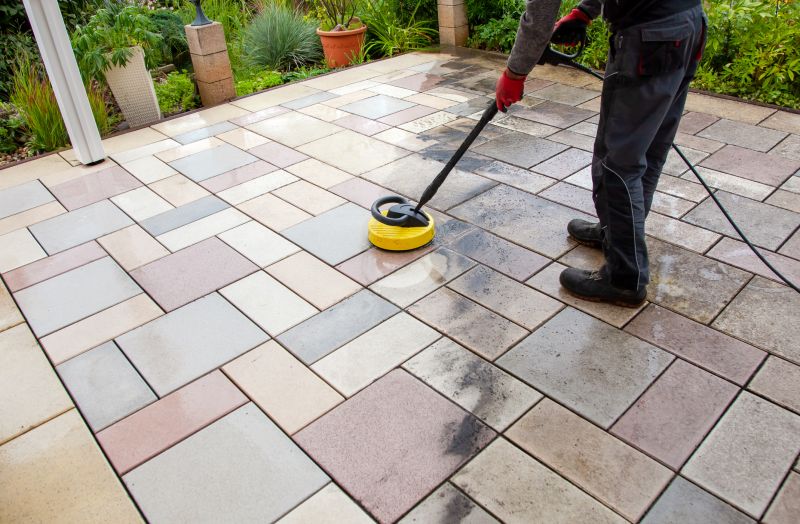
When evaluating service providers for paver resealing, it’s important to consider their experience with similar projects. Homeowners should inquire about how long the contractor has been working with paver sealing and whether they have completed projects comparable in size and scope. An experienced contractor is more likely to understand the nuances of different paver materials and conditions, ensuring the job is done properly and efficiently. Checking whether a contractor can provide examples of past work or references related to paver sealing can help gauge their familiarity with the process and their ability to deliver satisfactory results.
Clear written expectations are essential when choosing a local contractor for paver resealing. Homeowners should seek detailed descriptions of the services included, the steps involved, and any preparations needed before work begins. Having a written scope of work helps prevent misunderstandings and ensures both parties are aligned on the project’s goals. It’s also beneficial to ask how the contractor plans to address common concerns such as surface preparation, sealing products used, and warranty or maintenance recommendations, so expectations are transparent from the outset.
Effective communication and reputable references are key indicators of a reliable service provider. Homeowners should look for contractors who are responsive to questions and willing to provide references from previous clients who had similar paver sealing work completed. Talking to past customers can reveal insights into the contractor’s professionalism, punctuality, and quality of work. Good communication throughout the project helps ensure that any issues or questions are addressed promptly, leading to a smoother process and greater confidence that the paver resealing will meet expectations.
Property owners often search for signs it’s time to reseal your pavers when they are planning practical projects around their homes and businesses. Local pros provide Paver Resealing services for everyday jobs and straightforward project options.
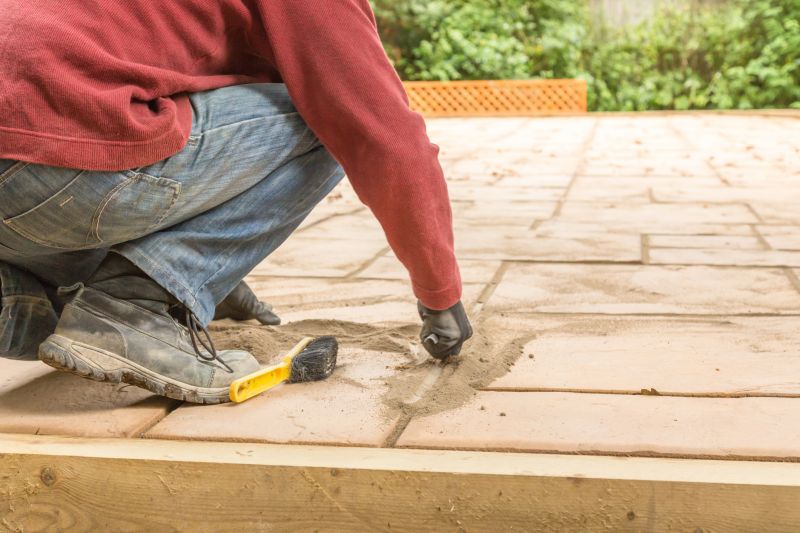
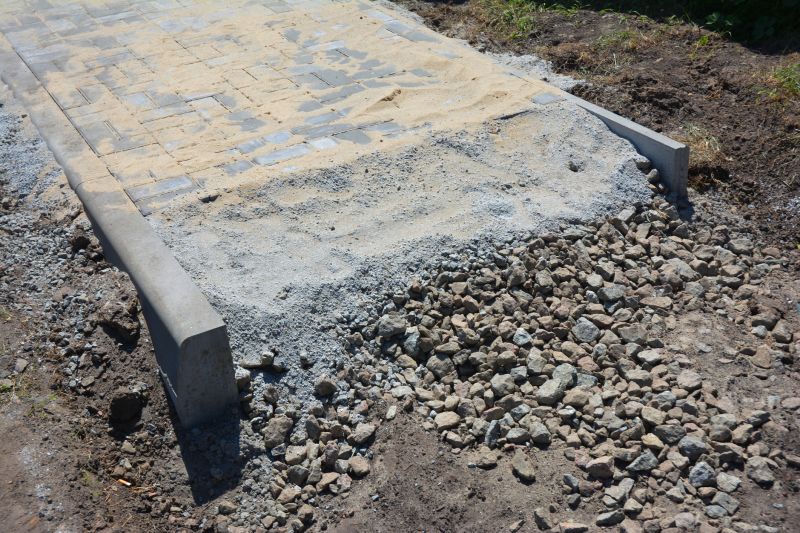
Property owners in the area often notice signs it’s time to reseal their pavers when surfaces start to look dull or faded, especially after years of exposure to foot traffic and weather. Cracks, chips, or areas where the sealant appears to be peeling or wearing away are clear indicators that the protective layer has compromised. These issues can lead to more significant damage if not addressed, making it a practical choice to seek out local contractors who specialize in paver resealing to restore the appearance and integrity of the surface.
Additionally, residents may observe staining or the buildup of dirt and grime that becomes difficult to clean, suggesting the existing sealant is no longer providing effective protection. In such cases, professional service providers can assess the condition of the pavers and determine whether resealing is necessary. Engaging with experienced local contractors ensures the job is done properly, helping to extend the lifespan of the pavers and maintain the property’s curb appeal.
What are common signs indicating pavers need resealing? Visible wear, such as fading color, staining, or surface erosion, often suggests it’s time to consider resealing pavers. Local contractors can assess these signs and recommend appropriate services.
How can I tell if the sealant has worn off? If water no longer beads on the surface or there is increased staining and dirt buildup, it may mean the sealant has degraded. Service providers can evaluate the condition and perform resealing if necessary.
Are there any signs of damage that suggest resealing is needed? Cracks, chips, or uneven surface areas can indicate the need for resealing to protect the pavers from further damage. Local pros can help restore and protect the surface.
What visual cues show that pavers are losing their protective layer? Fading color, loss of shine, and increased moss or weed growth between pavers can be signs that resealing is overdue. Experienced service providers can identify these signs and perform the work.
When should I consider resealing to maintain my pavers’ appearance? Regular inspection for signs like surface wear or staining can help determine the right time for resealing. Local contractors can provide guidance based on the condition of the pavers.
Surface discoloration - noticing fading or uneven coloring on pavers can indicate the sealant has worn away, and local contractors can restore the appearance with resealing.
Visible cracks or chips - small damages may allow moisture to penetrate, making resealing by local pros a practical way to protect the pavers from further deterioration.
Efflorescence buildup - white deposits on the surface suggest the sealant is no longer effective, and resealing can help prevent staining and damage.
Increased weed or moss growth - if weeds or moss are appearing between pavers, resealing services from local contractors can help create a barrier to inhibit growth.
If you are thinking about signs it’s time to reseal your pavers for a property, this guide is meant to help you understand this topic, the typical project types, and how different options might fit your plans.
When you are ready, you can use the quote form on this page to share a few details about your project. From there, local pros can review the basics and follow up with options that match what you have in mind.